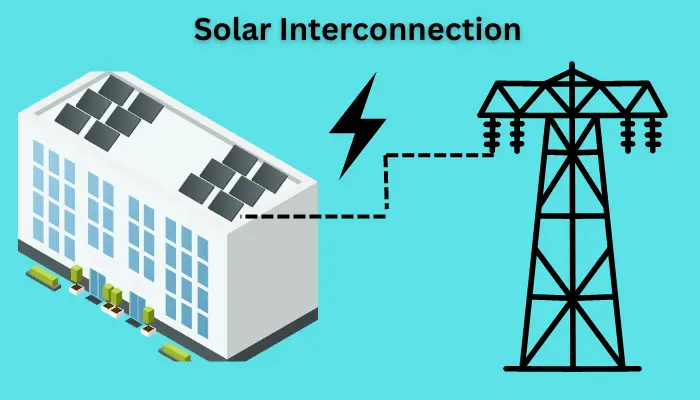
Understanding the Road to PTO
Once your solar panels are installed, the final step before you can start saving money is getting "Permission to Operate" (PTO) from your local utility company. This process, known as interconnection, can seem complex, but understanding the key steps makes it much more manageable. It is the bridge between your clean energy system and the public grid.
Step 1: The Interconnection Application
This is the formal request to connect your solar system to the grid. Your solar installer (or design partner like The Energy Crafters) will submit this on your behalf. It includes detailed technical information about your system, such as the permit planset, equipment specifications (panels, inverters), and a single-line diagram of the electrical setup.
Step 2: Utility Review and Approval
The utility company reviews the application to ensure your system meets their safety and technical standards. They check if the local grid can handle the additional power your system will generate. This review can take anywhere from a few weeks to a couple of months, depending on the utility.
"Patience is key during the utility review. A well-prepared application from an experienced installer is the best way to prevent delays."
Step 3: Installation and Inspection
After receiving approval to install, the physical installation takes place. Once complete, an inspection by the local Authority Having Jurisdiction (AHJ) is required. The inspector verifies that the installation was done correctly and according to the approved plans and local electrical codes.
Step 4: Permission to Operate (PTO)
After a successful inspection, the final paperwork is sent to the utility. They will give the final sign-off and issue the Permission to Operate. Only after you receive PTO can you legally turn on your system and start exporting power to the grid and benefiting from net metering.